

Alien egg. This needs to be the centerpiece of my living room.
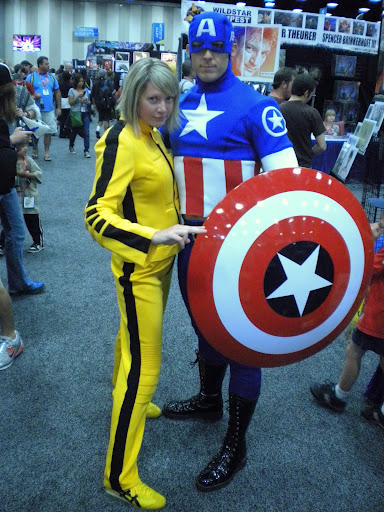
“You think this A on my forehead stands for France?”
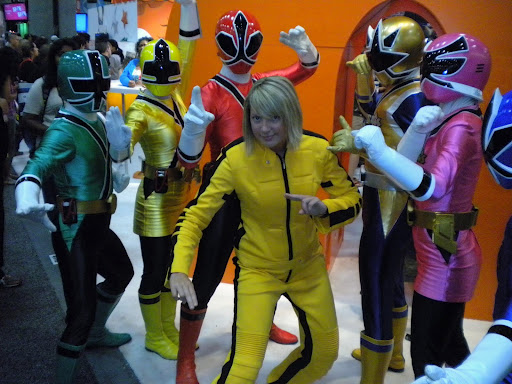

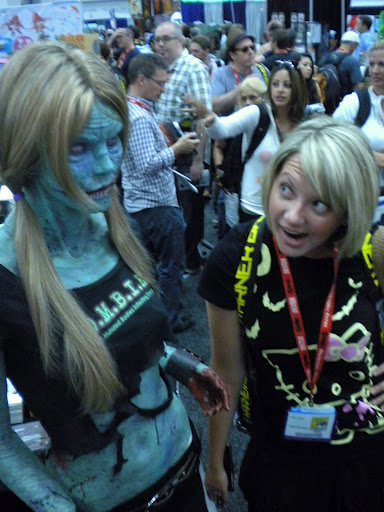
Daenerys from Game of Thrones
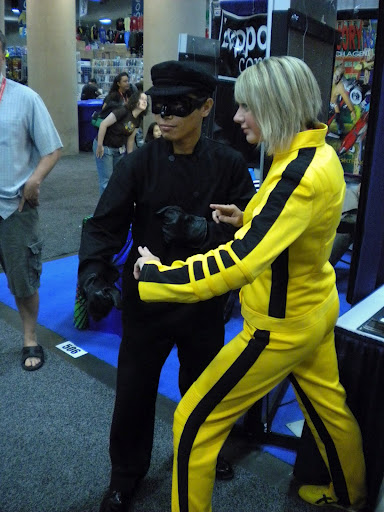
With Kato

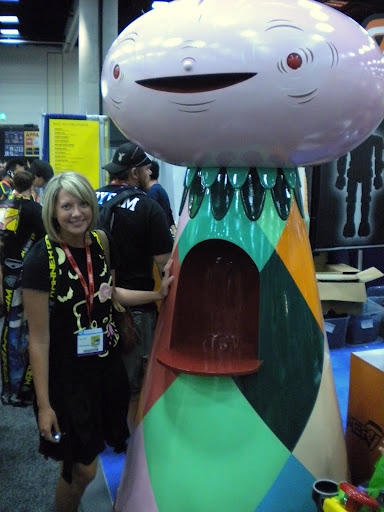
Kid Robot






I’m just gonna forgo any pleasantries, along with any pretenses that I can look at this film in anything approaching an unbiased manner. I like Woody Allen. I like Paris. I like writing and I like art. I loved this film. Sure, it had its problems, but I was charmed by the main character, Gil, played by Owen Wilson (a blatant representation of Woody Allen) and his sincere (if sometimes sappy) dialogue. Some of my favorite lines that I’ve ever heard were in the film, like when Wilson insists that “No work of art can compare to a city.”
Although it’s difficult to talk about a work of art in terms of feelings, I couldn’t help but love the feel of this film. Yes, no work of art can do a city justice, but this film captured the feeling I had gallivanting about Paris.Some would say that the film romanticized Paris from a tourist’s perspective, but I would disagree and toss in my lot with Allen. I think there are cities that can be appreciated as a work of art, regardless of whether you grew up there or whether you’re visiting for the first time. And Gil’s enthusiasm for Paris is contagious and understandable.
I don’t want to give away too much about the plot, because I didn’t know much about it, and I found myself giddy as certain events unfolded (I even slapped my viewing companion in the arm, grinned, and sat up straighter in my chair a few times in sheer excitement). That’s not to say it had a perfect plot. In fact, I was disappointed that for such a creative premise, the film ended up making some pretty cliché moves, and I was surprised that the film had such an elementary take-home message. Despite its plot clumsiness, I loved the film and I would happily see it in theaters again, which is not an action I take lightly.



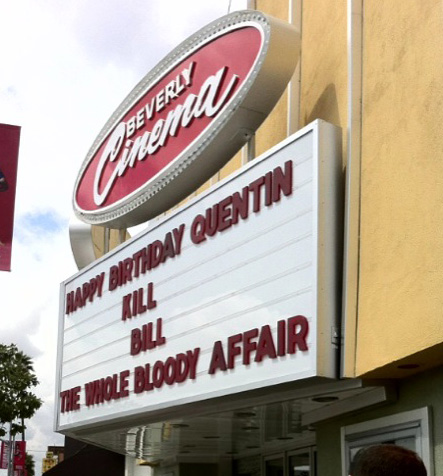
A couple of weeks ago I traveled to Los Angeles to see The Whole Bloody Affair in all its glory. There is a special place in my geek heart for Kill Bill. The cruel tutelage of Pai Mei. Kiddo’s slaughter of Yakuza minions. The Five Point Palm Exploding Heart Technique. The films offer a cinematic feast of fun. I’ve watched each film more times than I can count, I can recite passages of dialogue before characters say them, and I own a replica of Kiddo’s yellow jumpsuit. So, I’m pretty serious about my devotion to this fun film.
Walking into the New Beverly Cinema was like rewinding the clock 50 years. The cinema had a brightly-lit vintage marquee out front, which on the night I went exclaimed happy birthday to our dear Quentin Tarantino. Walking inside, the foyer was tiny, the snack counter was barely existent (but had refreshingly reasonable prices), and the two restrooms combined would have fit into a small broom closet. The one theater housed about 200 seats and the screen was much smaller than most we see nowadays. In short, it was charming. I snagged a front-row seat, which was perfect for the screen distance and size.
Before the feature presentation, in typical Tarantino flair, several previews of coming attractions for ‘70s and ‘80s grindhouse genre films were shown, including Coffy, The Million Eyes of Sumuru, and Shogun Assasin (the film that BeBe watches with Beatrix at the end of Kill Bill volume 2). The pre-show reel also included an animated sing-along of dancing concessions urging us to get snacks and Dr. Pepper in retro style and a panther warning us that the film was Restricted. Then the glowing seal of the Cannes Film Festival appeared, affirming that this was the original, personal print from Tarantino’s first screening of this version of the film.
With the volume turned way up, the action sequences of Beatrix Kiddo’s roaring rampage of revenge physically reverberated in the audience. You could literally feel the tension. The cinematography looked beautifully visceral on a “big” screen.
Now, to answer the question everyone keeps asking me about the film: “So, what’s different?” Actually, several things, some small and others not-so-small. All the action sequences were a little longer and a little more satisfying (if that’s even possible). For example, in the famous scene where Beatrix harpoons the Crazy 88’s, the carnage radiates in technicolor instead of shifting to muted censor-friendly black-and-white. This may not seem like a huge change until you see the difference in stunning color and detail, red blood splattering every frame. There were other differences in the Crazy 88 sequence. My favorite difference occurs after Beatrix plucks an unsuspecting warrior’s eye out; in this version, she promptly shoves the veiny eyeball into another guy’s mouth and he gulps it down in surprise. It can only be described as awesome.
Editor. Tetris master. Beatrix Kiddo cosplayer. Adjunct English instructor. Kid Robot collector. Whedon trivia queen.



 Geek Appetite: Serving up geek goodies & good eats